
Straight razors
5 products
5 products
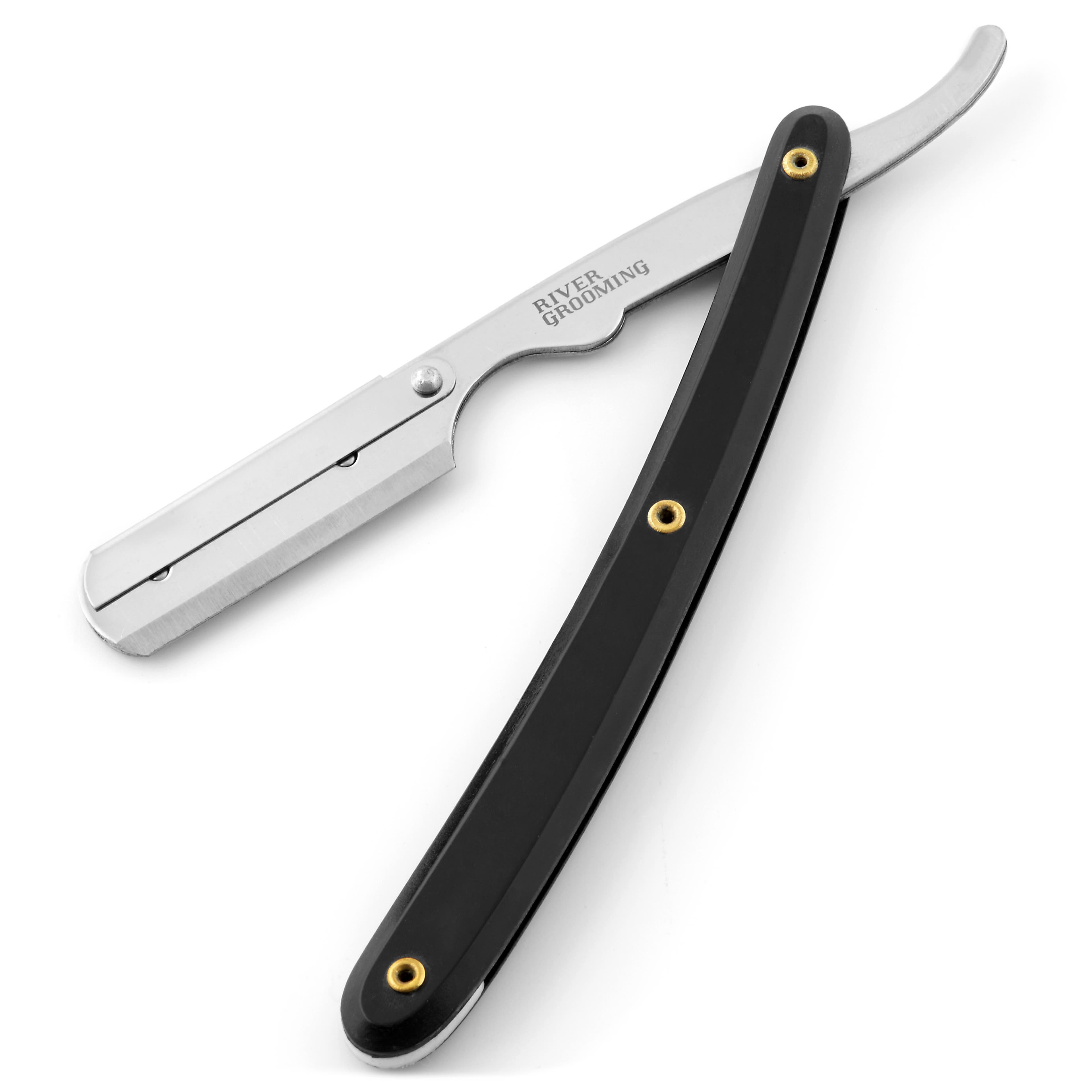
Elegant Black Straight Razor For Disposable Blades

$44.90
$35.92
River Grooming
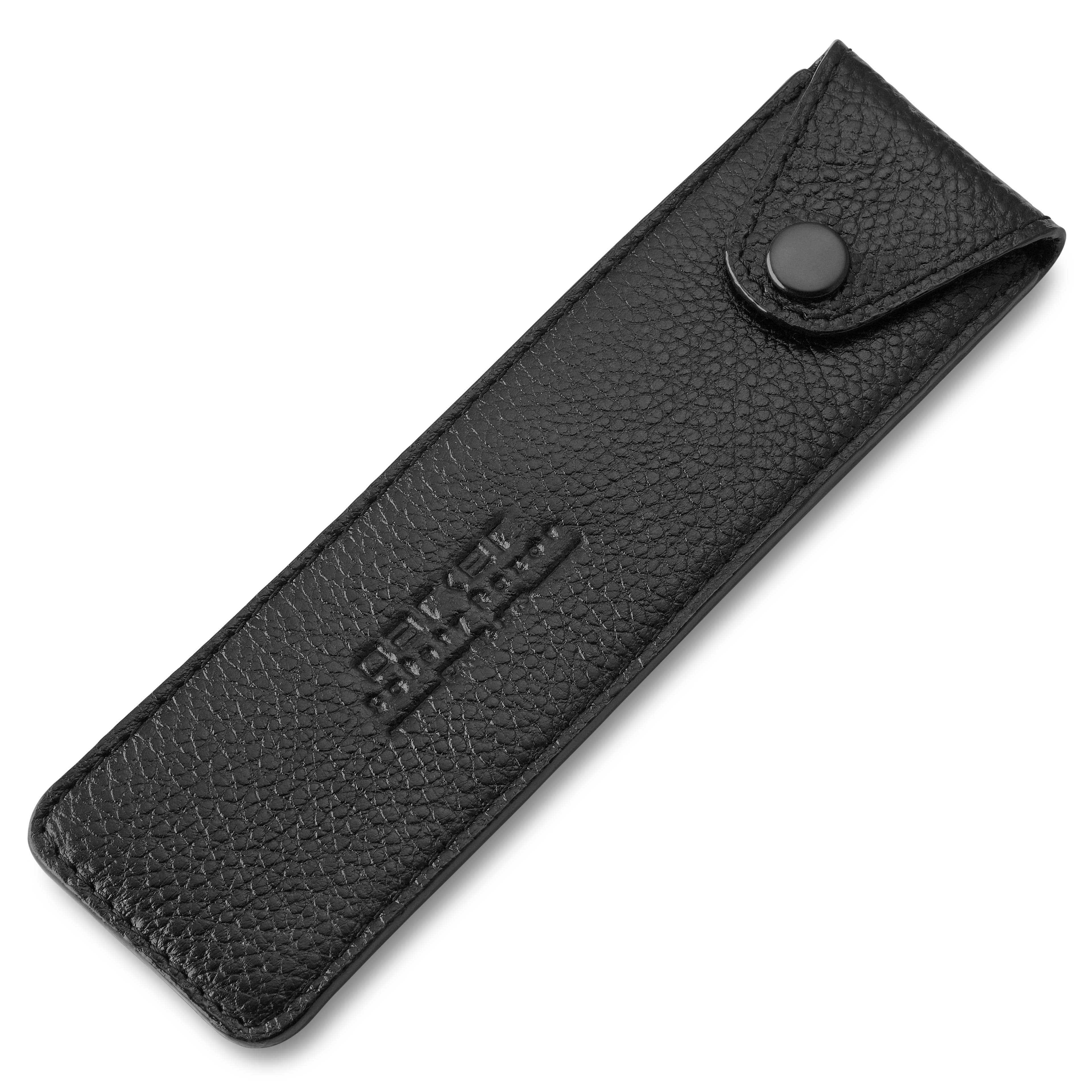
Black Leather Case
$29.90
$26.91
Parker
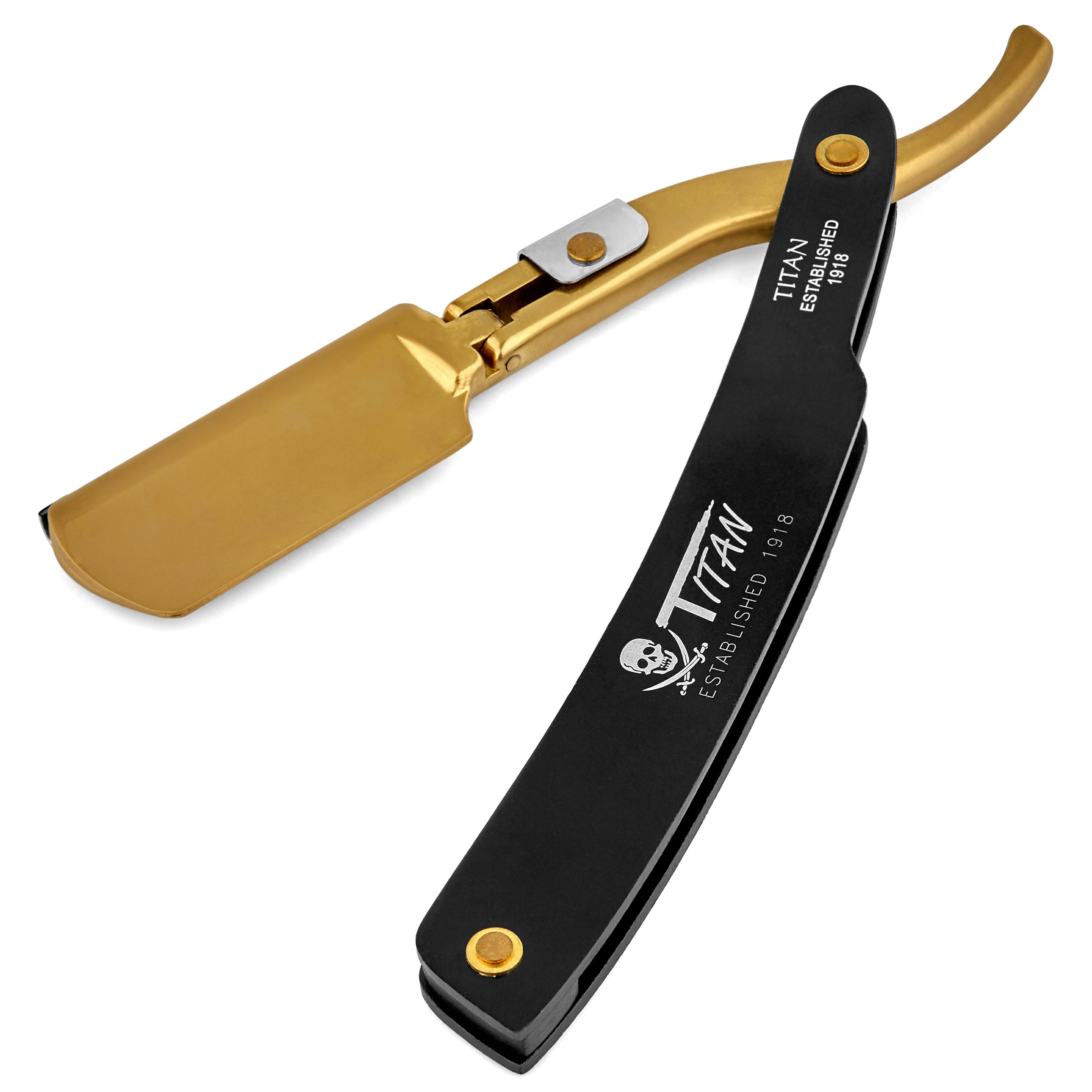
Gold-Tone Straight Razor for Disposable Blades
$79.90
$67.91
Titan
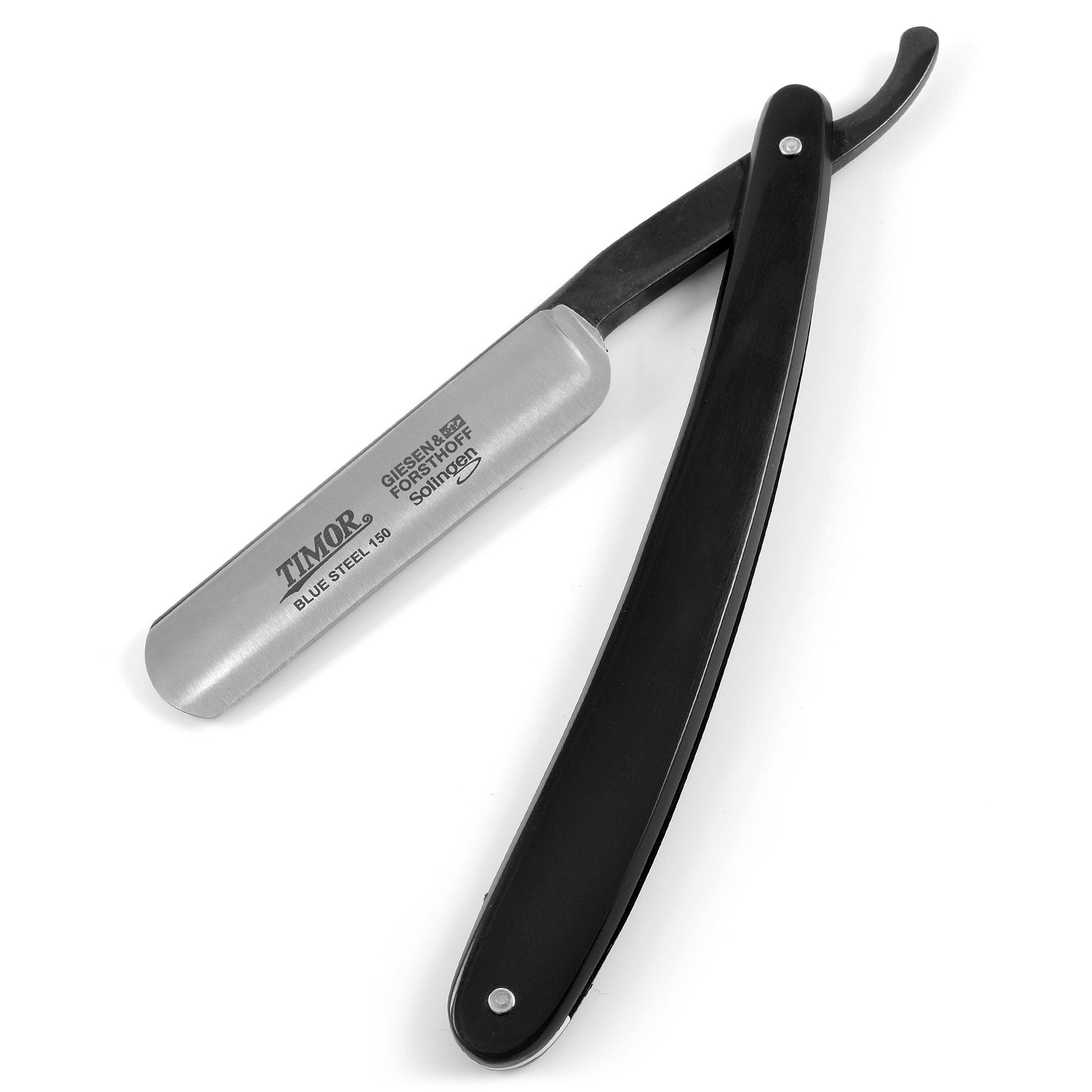
Black Carbon Timor 5/8" Straight Razor
$235.00
$211.50
Giesen & Forsthoff
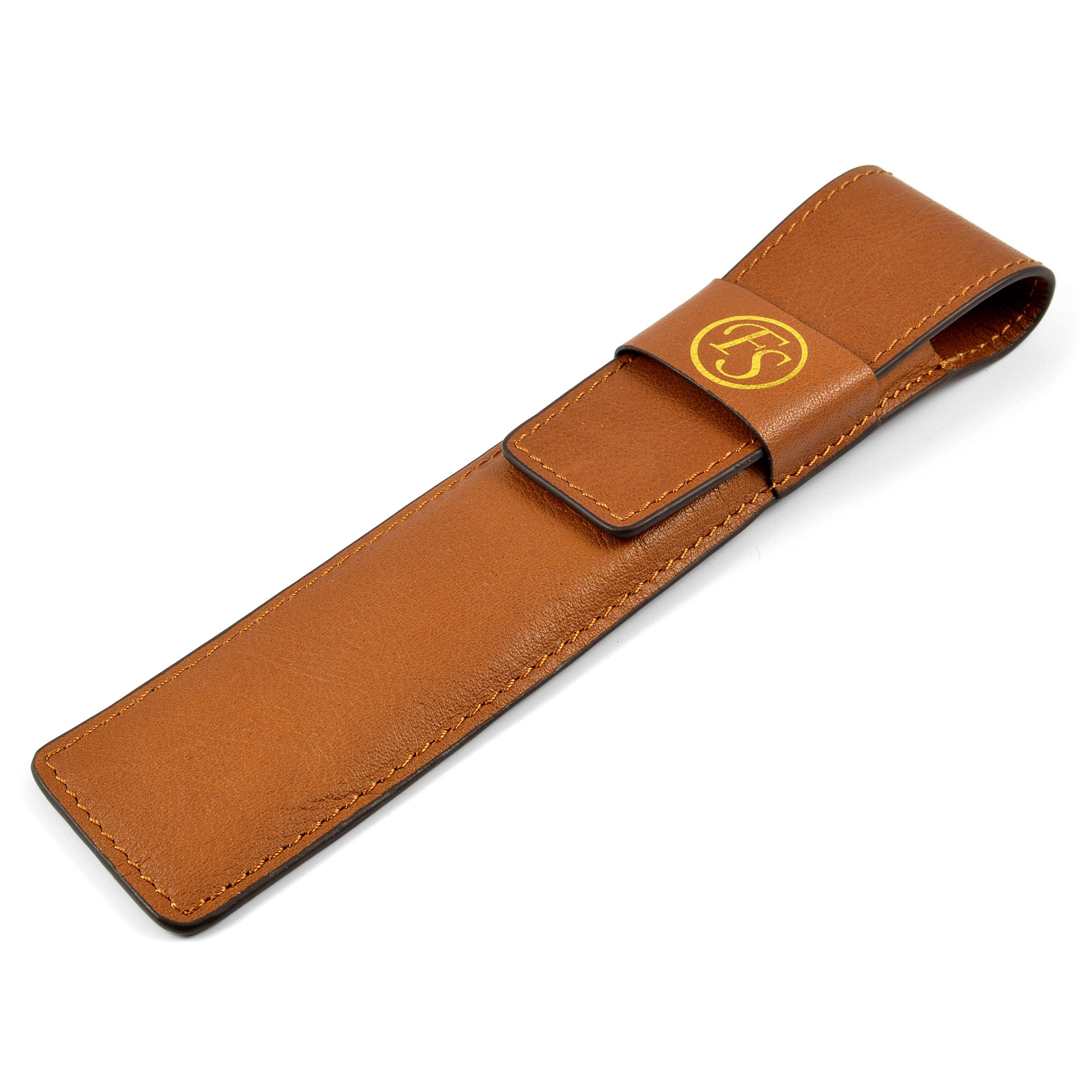
Brown Leather Case For Razor
$59.90
$53.91
Frank Shaving
Use a Straight Razor for the Closest Shave Possible
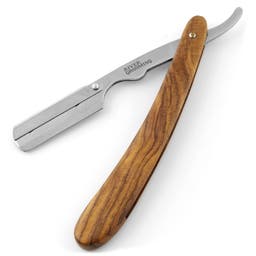
When men first became serious about getting close shaves, the straight razor was their implement of choice. The sharp blade glides lightly and elegantly through even the toughest beard. These handcrafted shaving instruments represent a larger initial investment compared with other razors but, if properly maintained, will last a lifetime.
Tired of always forking out cash for those overkill, multi-blade, disposable cartridge razors? Do yourself a favour and make the investment in a straight razor. It'll be some of your best-spent money.
Straight Razor Anatomy

1. Handle
2. Shoulder
3. Back
4. Main
5. Peak
6. Cutting Edge
7. Blade
8. Heel
9. Shaft
10. Shaft Pivot
11. Toe
Straight Razors with Disposable Blades
Straight razors with disposable blades are used mostly for hygienic purposes. It requires breaking a double-edged blade in two pieces and using only one shaving edge at a time. Straight razors with disposable blades are ideal for manscaping – think of where your blade goes. Want that on your face too?
Men’s Straight Razor Width
With a wide razor, the angle at which it's held in relation to the skin's surface makes it easier and faster to shave with. On the other hand, it may be a little tricky to get around the nose and ears. Ultimately, the width of the blade is a matter of personal preference.
Stainless Steel or Carbon Steel – Which is better?
Men’s straight razors are made primarily from 2 kinds of steel: stainless steel and carbon steel.
Carbon Steel
Straight razors made from carbon steel can be honed to a sharper edge than stainless steel. But unlike stainless steel, a carbon steel blade requires a little more maintenance and needs to be oiled to prevent rusting.
Stainless Steel
Although it can't be honed as much as a carbon blade, rest assured that stainless steel blades can be sharpened to provide many close shaves without having to strop it repeatedly. Also, stainless steel is extremely resistant to the humid environment in which razors are used and stored… your bathroom.
Personalised Straight Razors
At Trendhim, we like to think of ourselves as gift-giving experts, and we value customised gifts the most. Taking the extra time that goes into engraving a gift sends a message that often says more than the gift itself. As you search for personalised gifts for men, consider an engraved straight razor.
We offer laser engraving that’ll make the next gift you give a winner. And don’t forget that your own personal straight razor can also be engraved. After you’ve bought one for dad on Father’s Day and your best mate for his birthday, get one for yourself. Have your name engraved… or a gentle reminder to shave slowly and not cut yourself. In case you need reminding.